Can ultra-processed foods fit into a healthy diet? The answer may surprise you
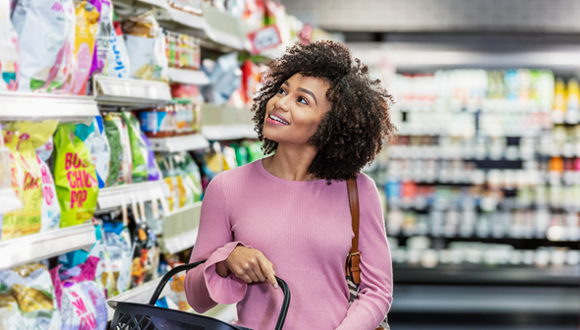
If you’ve ever wandered the grocery store aisles, you’re familiar with the colorful food packages that scream for your attention. Many are “ultra”-processed foods—the kinds that have been significantly altered from their original state. The ones that are blamed for everything from weight gain to chronic disease. The foods we’re told to avoid.
But all processed foods aren’t bad, according to Katherine Mott, RD, a registered dietitian at Atlantic Health. In fact, some of the most altered food products—which are the “ultra”-processed foods—can still fit into a well-balanced diet.
All processed foods are NOT created equal
“The term processed food simply means it has been altered from its original state,” says Katherine. “An energy bar, a block of cheese, even a can of beans have all been processed. But these foods are nutrient-rich. They’re not bad for you.”
So how do you know what to choose and what to avoid? Katherine says a food ranking system called the NOVA Classification System can help. It groups foods into four categories based on how much processing a food undergoes—not whether it’s good or bad.
The four categories of processed foods
Group 1: unprocessed / minimally processed foods
These are whole foods in their natural state, or with minimal changes. They’re the foundation of most nutrition guidelines, including the food pyramid:
- Fresh fruits and vegetables
- Meat, poultry, fish
- Eggs, milk
Group 2: processed culinary ingredients
These are single-ingredient items that are used for cooking. They are lightly processed and should be combined with other foods, not eaten alone:
- Oils
- Butter
- Sugar
- Salt
- Honey or maple syrup
Group 3: processed foods
These foods combine Group 1 foods with Group 2 ingredients. They typically have a short ingredient list with minimal additives:
- Canned vegetables with salt
- Cheese
- Bread made with flour, yeast and salt
- Cured meats
Group 4: ultra-processed foods
This is the tricky category. Ultra-processed foods contain additives that change the color, flavor or texture of food. Soda, candy, sweetened cereals, chips, even some yogurts are ultra-processed and use cosmetic additives such as:
- Emulsifiers to blend hard-to-mix ingredients
- Gums to thicken soups and sauces
- Stabilizers to extend a food’s shelf life
- Flavor enhancers to make food more addictive
“This is the category that requires us to read the food labels and think about ingredients and nutrition facts,” says Katherine. “Some ultra-processed foods such as high-fiber bread or high-protein Greek yogurt have added ingredients that make them more nutritious, while cookies or soda have added ingredients with little or no nutritional value. There’s a really broad spectrum.”
Here’s how to become an educated food consumer
- Look at the big picture. No single food determines your health. If you eat plenty of fruits, vegetables, whole grains, protein and fiber, there’s also room for processed foods.
- Read both labels. Nutrition should have grams of fiber and protein with limited saturated fats and added sugars. The ingredients are ordered from most to least, and better when the list is short.
- Aim for balance. Look for items with fewer ingredients—and ones you recognize. Ultra-processed foods with unknown ingredients doesn’t mean “never;” it just means “rarely.”
“Focus on getting most of your calories from minimally processed foods in their natural state,” says Katherine. “Being healthy isn’t about avoiding processed food—it’s about making informed choices that work for your life.”
Related news articles


