High cholesterol
High cholesterol is a common condition that can increase your risk for heart problems and stroke. Find out how it's tested, treated and managed.
What you need to know
High cholesterol means you have too much cholesterol—a waxy-like substance—in your blood. Your body needs some cholesterol to help build cells and make hormones, but having too much can be harmful. High cholesterol can lead to plaque, a sticky buildup inside your blood vessels that, over time, can narrow or block arteries. This makes is harder for blood to move around your body and increases you chances of having heart disease, a heart attack or a stroke.
Related conditions
Risk factors for having high cholesterol
Some things can make you more likely to have high cholesterol.
Age
Being overweight or obese
Certain health conditions or medicine
Family history
Gender
Lack of exercise
Smoking
Unhealthy diet
Symptoms
High cholesterol usually doesn't cause warning signs you can feel. Most people feel fine even when their cholesterol is high. In rare cases related to inherited very high cholesterol, people may have visible bumps under the skin or around the eyes. However, for most people, the only way to know is with a blood test.
How it's diagnosed
Your health care provider checks for high cholesterol with a simple blood test. This test measures:
LDL ("bad") cholesterol
HDL ("good") cholesterol
Triglycerides
Your provider will review your numbers and discuss what they mean for your health.
Ways we help manage your cholesterol
Healthy lifestyle changes
Your doctor may recommend starting with heart‑healthy lifestyle changes. This includes eating a balanced diet rich in vegetables, fruits, whole grains, lean proteins, and healthy fats.
They may also encourage you to:
- Get regular physical activity
- Maintain a healthy weight
- Quit smoking
These habits form the foundation of cholesterol management and support your overall heart health.
Medication
Your provider may prescribe medications such as statins to help lower “bad” LDL cholesterol, especially if lifestyle changes aren’t enough or if your heart‑disease risk is high. These medications are most effective when used alongside healthy habits, not in place of them.
Lipoprotein apheresis
For some people with very high cholesterol that does not improve with medicine and lifestyle changes, doctors may recommend lipoprotein apheresis. This is a special treatment that works like dialysis for cholesterol.
Clinical trials
Join clinical trials around high cholesterol or lipoprotein(a) and help advance new treatments with expert care.

Lipoprotein aphoresis
Lipoprotein apheresis is a special blood-filtering treatment used for people with severely elevated LDL cholesterol due to genetic conditions, such as familial hypercholesterolemia, or for individuals with very high lipoprotein(a) who remain at high risk for heart disease despite medication and lifestyle changes.
Common questions
Lipid apheresis is used for people with very high LDL (“bad”) cholesterol—often due to genetic conditions like familial hypercholesterolemia—as well as those with elevated lipoprotein(a). It may also be recommended for individuals at high risk of heart attack or stroke.
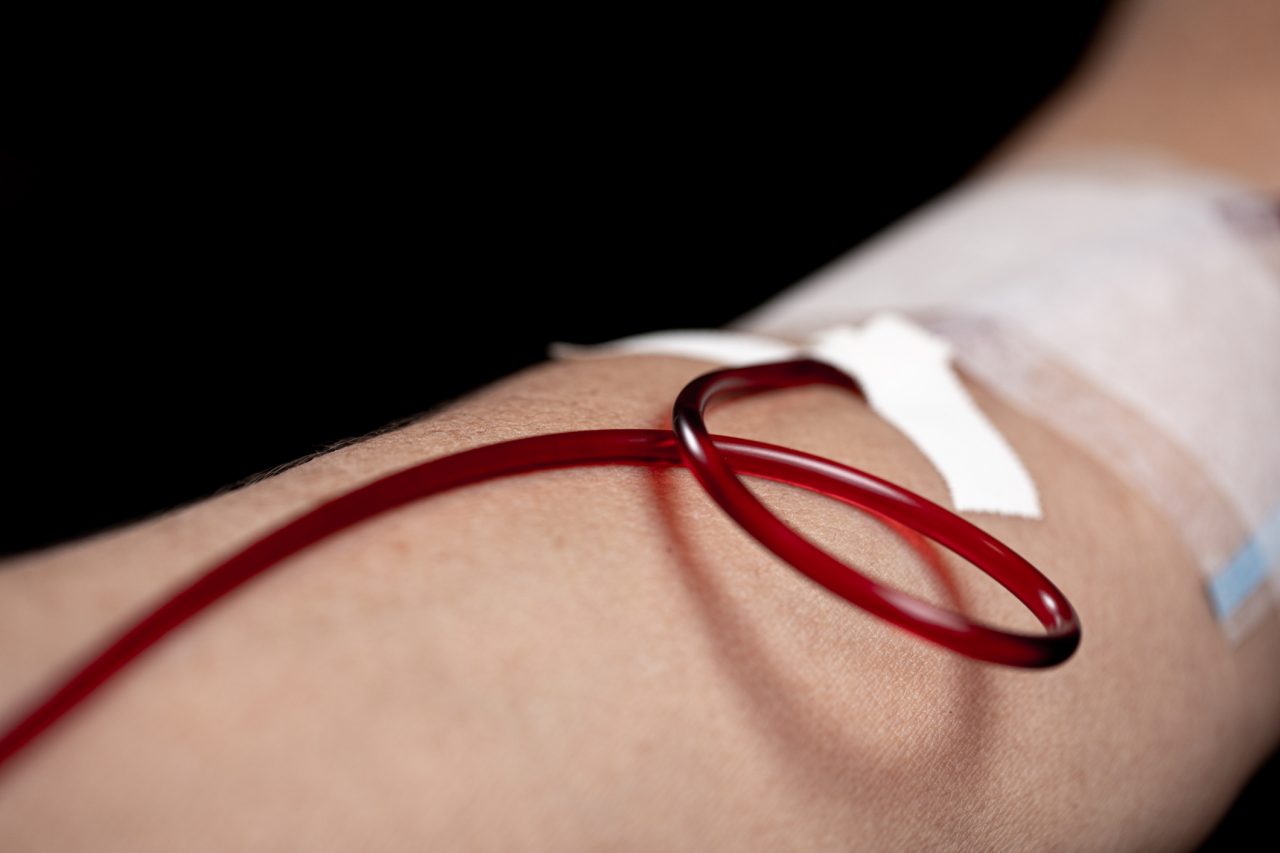
Blood is gently taken from your body through a tube placed in a vein (similar to dialysis).
Inside the LIPOSORBER® machine, the blood passes through a filter that selectively removes “bad” cholesterol, especially LDL cholesterol and lipoprotein(a).
The cleaned blood is then returned to your body.
Lipoprotein aphoresis can help treat the following:
- Very high LDL (“bad”) cholesterol
- High lipoprotein(a) levels
- People at high risk of heart attacks or strokes when medications alone are not enough
You can expect each treatment session to last about two to four hours. Most people receive treatments once every one to two weeks, depending on their individualized plan. You’ll be awake the entire time, and the process is generally comfortable—many patients choose to read, watch TV or simply relax throughout the session.
This procedure offers several important health benefits. Each treatment can lower LDL cholesterol and lipoprotein(a) levels by 50–75%, which helps significantly improve your overall cholesterol profile. By reducing these markers, the treatment also lowers your risk of heart disease and stroke. Another key advantage is that it works even when traditional medications don’t, making it a valuable option for patients who need additional support in managing their cholesterol.
This procedure is generally safe and well tolerated. Some people may experience mild side effects, such as fatigue, low blood pressure, or dizziness, but these usually resolve quickly. Throughout the entire session, the medical team monitors you closely to ensure your comfort and safety.
Heart care starts here
Already diagnosed with high cholesterol? A cardiologist can help you lower your risk and protect your heart with personalized care, advanced testing and the latest treatment options tailored to you.