Atlantic Medical Group Center for Orthopedics and Sports Medicine - Basking Ridge

Expert orthopedic care
Our practice specializes in general orthopedics, sports medicine, joint replacement, acute emergency treatment of sports injuries and trauma, and rehabilitation. We provide state-of-the-art health care delivery, including electronic medical records, digital X-ray, and the most advanced, minimally invasive techniques for surgical procedures and orthopedic care.
Our staff prides themselves on going that extra mile to ensure that each patient is focused on their recovery. We recognize that a quality medical experience also requires excellent administrative support. From the moment a patient enters our practice – to the completion of their care – our staff will help patients make appointments, answer all of their questions, help them understand their medical bill and insurance coverage and provide other support they may need. We treat patients of all ages with orthopedic conditions and injuries.

We provide state-of-the-art health care delivery
At Atlantic Medical Group Center for Orthopedics and Sports Medicine, we offer electronic medical records, digital X-ray, and the most advanced, minimally invasive techniques for surgical procedures and orthopedic care.
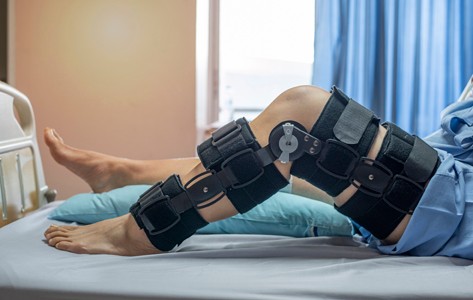
General orthopedics
Our providers are trained to diagnose and treat various injuries, deformities, or diseases that interrupt this system. We see patients from early adolescence and older. General orthopedics addresses multiple common and complex conditions such as:
- Sprains and strains
- Fractures and dislocations
- Cartilage and ligament tears
- Bursitis and tendinitis
- Arthritis
- Osteoporosis
- Bone and soft tissue tumors
- Tendonitis
- Plantar fasciitis (heel pain)
- Bone spurs
Our goal is to restore the highest level of movement and function with the least risk. We will thoroughly discuss your condition and review all treatment options. For many, non-surgical treatments provide adequate relief from symptoms:
- Lifestyle changes
- Medication
- Physical therapy
- Injections
However, when these medical treatments fail to provide adequate pain relief, surgery may be an option. Often, surgery is performed on an outpatient basis using minimally invasive techniques. These techniques may mean less pain and less risk, as well as a faster recovery time.
At home, general care involves “RICE”
- R est
- I ce
- C ompression
- E levation
Surgery
Should your condition call for surgery, we will provide you and your family members with information about the procedure and work with you to plan the rehabilitation you may need.
We are trained in the latest and most effective procedures, including minimally invasive surgical techniques.

Sports medicine
Treatment for sports-related injuries is more specialized than ever before. At Atlantic Medical Group Center for Orthopedics and Sports Medicine, we are experts in the diagnosis, treatment, and prevention of common injuries that occur during sports or exercise.
The practice of sports medicine is now a multidisciplinary approach, drawing on expertise from athletic trainers, coaches, bioengineers, physical therapists, chiropractic specialists, and exercise physiologists. Some examples of sports-related conditions include:
- Traumatic injury to the bone and soft tissues
- Cartilage, ligament, and tendon injuries and disorders
- Common overuse injuries
- Carpal tunnel syndrome
Using physical therapy to help you relieve pain and recover
Sports medicine and orthopedics are increasingly becoming medical specialties that utilize a team approach. Whether you are dealing with an acute injury, a chronic condition, or postoperative care, your customized treatment plan could include working with physiatrists.
Sports medicine conditions we treat include:

Advanced care in sports medicine injuries
Student athletes, weekend warriors, and anyone else who maintains an active lifestyle are able to benefit from recent advances in minimally invasive techniques for both diagnosis and treatment of various sports injuries.

Joint replacement
Your joints are involved in almost every activity you do. Simple movements such as walking, bending, and turning require the use of your hip and knee joints. Normally, all parts of these joints work together and the joint moves easily and without pain. But when the joint becomes diseased or injured, the resulting pain can severely limit your ability to move and work.
Whether you are considering a total joint replacement, or are just beginning to explore available treatments, this website is for you. It will help you understand the causes of joint pain and treatment options. Most importantly, it will give you hope that you will be able to do more of the things you enjoy — with far less pain.
Obtaining a diagnosis
The medical management of arthritis and joint degeneration may be handled by a family doctor, an internist, or a rheumatologist. However, when medical management is not effective, an orthopedic surgeon should be consulted to determine if surgery is an option. In some cases, the orthopedic surgeon may be the first physician to see a patient and make the diagnosis of arthritis.
Treatment for joint replacement
We perform the following joint replacement medical procedures:
Common causes of joint pain
One of the most common causes of joint pain is arthritis. The most common types of arthritis are:
- Osteoarthritis (OA)
- Rheumatoid Arthritis (RA)
- Post-traumatic Arthritis
- Avascular Necrosis
Surgical procedure FAQs
What is a hip replacement?
Hip replacement involves the removal of arthritic bone ends and damaged cartilage and replaces them with prosthetic implants that replicate the hip joint. Hip replacement can help relieve pain and get you back to enjoying normal, everyday activities.
What are the reasons for total hip replacement?
Total hip replacement is often reserved for patients who:
- Have a painful, disabling joint disease of the hip resulting from a severe form of arthritis.
- Are not likely to achieve satisfactory results from less invasive procedures, such as arthrodesis (artificial stiffening or fixation of the joint).
- Have bone stock that is of poor quality or inadequate for other reconstructive techniques.
How is a total hip replacement performed?
In a total hip replacement operation, the surgeon replaces the worn surfaces of the hip joint with an artificial hip joint. The worn head of the femur (thighbone) is replaced with a metal or ceramic ball mounted on a stem; the stem is placed firmly into the canal of the thighbone at its upper end. The acetabulum (hip socket) is prepared and implanted with a metal cup and plastic or ceramic insert. The ball and insert glide together to replicate the hip joint.
Who should have a hip replacement?
Hip replacement surgery may be considered when arthritis limits your everyday activities such as walking and bending, when pain continues while resting, or stiffness in your hip limits your ability to move or lift your leg. Hip replacement may be recommended only after careful diagnosis of your joint problem. It may be time to consider surgery if you have little pain relief from anti-inflammatory drugs, or if other treatments, such as physical therapy, do not relieve hip pain.
How long is the hospital stay?
After hip replacement surgery, you will probably spend no more than three to five days in the hospital. Most hip replacement patients begin standing and walking with the help of a walker and a physical therapist the day after surgery. However, everyone is different, and you should discuss what you can expect with your doctor.
How long is recuperation?
Recovery varies with each person. It is essential that you follow your orthopedic surgeon’s instructions regarding home care during the first few weeks after surgery; especially concerning the exercise program you are prescribed. You should be able to resume most normal light activities of daily living within three to six weeks following surgery. Some discomfort during activity and at night is common for several weeks. Complete recovery can take from about three to six months.
While most people will gradually increase their activities and return to doing things like playing golf, doubles tennis, shuffleboard, or bowling, you will be advised to avoid more active sports, such as jogging, singles tennis, and other high-impact activities.
Are there complications?
As with any surgery, there is a risk of complications after hip replacement surgery. However, they are relatively rare. Blood clots are the most common complication after surgery. Your orthopedic surgeon may prescribe one or more measures to prevent a clot from forming in your leg veins. These measures may include a special support hose, inflatable leg coverings, and blood thinners.
What is the success rate?
Hip replacement is one of the most important surgical advances of this century. This surgery helps more than 300,000 Americans each year to relieve their pain and get back to enjoying normal, everyday activities.
How long does a hip replacement last?
The conventional arrangement of a metal ball into a special plastic (polyethylene) cup has been shown to have positive results over the years. How long it will last depends not only on age, but also on a patient’s activity level. Newer hip replacement materials using more durable alumina ceramic and titanium have made major advances in hip replacement technology.
Demand and activity levels are generally considered when the surgeon works with you to decide which type of hip replacement materials are best for you.
What is knee replacement?
Knee joint replacement is a surgical procedure in which certain parts of an arthritic or damaged knee joint are removed and replaced with a prosthesis, or artificial joint. The artificial joint is designed to move just like a normal, healthy joint and allows you to get back to enjoying normal, everyday activities without pain.
How “bad” does my joint pain have to get before I should consider having a joint replacement?
This is a very personal decision that only you can make with the help of an orthopedic specialist’s evaluation of your pain and its effects on your daily life. For example, experiencing knee pain day after day without relief can lead to “staying off” the joint, which often weakens the muscles around it, so it becomes even more difficult to move.
When other, more conservative treatment options — including medication and physical therapy — no longer provide pain relief, joint replacement may be recommended.
What is minimally invasive (MIS) knee joint replacement?
With a minimally invasive knee surgery, specialized techniques and instrumentation enable the physician to perform major surgery without as large an incision. In this respect, it is indeed “minimally invasive,” requiring a smaller incision and causing less trauma to the soft tissues. MIS knee replacement is considered a step forward in total knee replacement for a number of reasons, which include the following: potential for a shorter hospital stay, faster recovery, and less scarring. However, MIS surgery is not the right procedure for everyone. Only your orthopedic specialist can determine its benefits for you.
Are there risks associated with MIS surgery?
The MIS knee replacement technique is significantly less invasive than conventional knee replacement surgery, but it is still a major surgery.
As with any major surgical procedure, patients who undergo total joint replacement are at risk for certain complications, the vast majority of which can be successfully avoided and/or treated.
What will I need to know about postoperative recovery in the hospital?
Following joint replacement surgery, hospital stays vary depending on insurance coverage and individual medical status. A total of four days (including the day of the surgery) is typical. On the first day after your surgery, you will likely get out of bed and begin physical and occupational therapy, typically several brief sessions a day.
Usually, a case manager is assigned to work with you as you move through your rehabilitation routines. When you’re ready for discharge, the decision will be made concerning whether you can best continue to recover at home (the usual procedure) or in another facility where you may receive specialized rehabilitative help. If you do go to another facility, the goal will be to return you to your home, able to move about with a safe level of independence, within three to five days.
What can I expect in the first days after I’m discharged?
You shouldn’t be surprised if you feel a little shaky and uncertain for the first day or two after you’re discharged. But soon you may get a routine going and gain confidence in your new joint — the start of a new life with less pain. (As with any surgery, you’ll probably take pain medication for a few days while you are healing.) Be aware that you’ll probably need a walker and/or crutches for about six weeks, then use a cane for another six weeks or so. You’ll be in touch with your doctor or orthopedic specialist as well as your case manager, so you’ll have plenty of opportunities to ask questions or discuss concerns as well as to report your progress.
When will I be able to go back to a normal daily routine, such as going to work or driving a car?
This is a decision that only you and your doctor or orthopedic specialist can make. Be sure to follow your doctor’s or orthopedic surgeon’s advice and recommendations. Individual results may vary.
How long does a knee replacement last?
As successful as most of these procedures are, over the years the artificial joint can become loose or wear out, requiring a revision (repeat) surgery. How long it will last depends not only on a person’s age, but also on a patient’s activity level. These issues — together with the fact that increasing numbers of younger and more active people are receiving total joint replacement — have challenged the orthopedic industry to try to extend the life cycle of total joint replacements.
What happens during knee replacement surgery?
In surgery, the knee is flexed and the leg suspended. One muscle is separated to expose the femur (thighbone); later, the tibia (shinbone) is exposed. The damaged surfaces at the end of the thighbone are trimmed to shape it to fit inside the total knee prosthesis. The shinbone is cut flat across the top and a hole is created in the center to hold the stem of the tibial component. If needed, the kneecap is trimmed and the patellar component attached.
At various points during surgery, the alignment, function, and stability of the knee joint are evaluated and required adjustments are made. The prosthesis components are cemented into place, any contracted ligaments are released, the midvastus muscle is reconstructed, and the incision is closed.
What is a shoulder replacement?
Also called arthroplasty, shoulder replacement is a surgical procedure in which the damaged or diseased joint is removed and replaced by an artificial shoulder implant (prosthesis) that is designed move like a normal, healthy joint.
How “bad” does my joint pain have to get before I should consider having joint replacement?
This is a very personal decision that only you can make, with the help of an orthopedic surgeon’s evaluation of your pain and its effect on your daily life.
Why do some people need joint replacement?
When other treatment options no longer provide relief, joint replacement may be recommended — not only to relieve pain but also to prevent the disability it can cause. For example, experiencing joint pain day after day without relief can lead to “staying off” the joint, which often weakens the muscles around it so it becomes even more difficult to move. Your orthopedic surgeon will tell you whether you might benefit from joint replacement and explain the reasons why it may or may not be right for you at this time.
What happens during shoulder replacement surgery?
Certain parts of your shoulder joint are removed and replaced with a plastic or metal device called a prosthesis, or artificial joint. The artificial shoulder joint can have either two or three parts, depending on the type of surgery required.
- The humeral component (metal) is implanted in the humerus, or upper arm bone.
- The humeral head component (metal) replaces the humeral head at the top of the humerus.
- The glenoid component (plastic) replaces the surface of the glenoid socket, or shoulder socket.
If I decide to have a joint replacement, what will I need to do before the surgery?
You’ll need routine blood tests, urinalysis, a physical examination, and, if you’re over 50 or your doctor thinks they’re advisable, an electrocardiogram (EKG) and chest X-ray as well. Your own doctor or the hospital where you’ll have the surgery may perform these preoperative tests and evaluations. You may also be asked to donate blood preoperatively or to have a designated donor — usually a family member or relative — do this. Your doctor or orthopedic surgeon will specify exactly which tests and evaluations you will need and when you should have them. He or she may also recommend that you take an iron supplement before your surgery, and you may be asked to stop taking certain medications — for example, aspirin and other medications that thin the blood. Your doctor or orthopedic surgeon will also specify how these and any other medication concerns apply to you. Finally, your doctor may advise you not to eat or drink after midnight on the day your surgery takes place.
What will I need to know about postoperative recovery in the hospital?
Following joint replacement surgery, hospital stays vary depending on insurance coverage and individual medical status — a total of four days (including the day of the surgery) is typical. The surgery may take from two to three hours, and you’ll spend about the same amount of time in the recovery room.
On the first day after your surgery, you may be able to get out of bed and begin physical and occupational therapy, typically several brief sessions a day. Usually, a case manager is assigned to work with you as you move through your rehabilitation routines. When you’re ready for discharge, the decision will be made concerning whether you can best continue to recover at home or in another facility where you may receive specialized rehabilitative help. If you do go to another facility, the goal will be to return you to your home, able to move about with a safe level of independence, within three to five days.*
What can I expect in the first days after I’m discharged?
You shouldn’t be surprised if you feel a little shaky and uncertain for the first day or two after you’re discharged. But soon you will likely get a routine going and gain confidence in your new joint — the start of a new life with less pain. (As with any surgery, you’ll probably take pain medication for a few days while you are healing.) You’ll also be in touch with your doctor or orthopedic surgeon, as well as your case manager, so take advantage of opportunities to ask questions or discuss concerns as well as to report on your progress. (Individual results vary.)
When will I be able to go back to a normal daily routine, such as going to work or driving a car?
This is a decision that only you and your doctor or orthopedic surgeon can make. However, there are some general guidelines that your doctor may give you:
- You should have no restrictions on leaving your home as long as your safety and comfort are assured.
- Don’t tire yourself out — a good balance of exercise, rest, and relaxation is best for helping your body heal and gain strength.
When to resume driving a car, going to work, and/or participating in sports activities are all highly individualized decisions. Be sure to follow your doctor’s or orthopedic surgeon’s advice and recommendations.
Are there activities I cannot do after shoulder replacement surgery?
When fully recovered, most people with artificial shoulders can return to work and normal daily activities without any problems. Keep in mind, however, that certain activities could affect how long your artificial shoulder will last and how well it will perform. A good rule of thumb is that your physical activities should not cause pain, including pain felt later. You should also not jar your joint or push it to its most extreme range of motion. If, for example, you are considering doing any of the following activities, you should discuss them first with your doctor or orthopedic surgeon:
- Any activity involving lifting or pushing heavy objects
- Any activity that places excessive stress on your shoulder joint
- Hammering and other forceful arm/shoulder movements
- Boxing and other arm/shoulder impact sports
What to expect during your first visit
While every orthopedic evaluation is different, there are many commonly used tests that an orthopedic surgeon may consider in evaluating a patient’s condition. At Atlantic Medical Group Center for Orthopedics and Sports Medicine, we recommend learning more about:
- A thorough review of your medical history – Your medical history is taken to assist the orthopedic surgeon in evaluating your overall health and the possible causes of your joint pain. In addition, it will help your orthopedic surgeon determine to what degree your joint pain is interfering with your ability to perform everyday activities.
- A physical examination – What the physician sees during the physical examination — which includes examination of standing posture, gait analysis (watching how you walk), sitting down, and lying down — helps to confirm (or to rule out) the possible diagnosis.
- X-rays – The X-rays help show how much joint damage or deformity exists. An abnormal X-ray may reveal:
- Narrowing of the joint space
- Cysts in the bone
- Spurs on the edge of the bone
- Areas of bony thickening called sclerosis
- Deformity or incorrect alignment
Occasionally, additional tests may be needed to confirm the diagnosis. Laboratory testing of your blood, urine, or joint fluid can be helpful in identifying specific types of arthritis and in ruling out certain diseases. Specialized X-rays of the back can help confirm that hip pain is not being caused by a back problem. Magnetic Resonance Imaging (MRI) or a bone scan may be needed to determine the condition of the bone and soft tissues of the affected joint.
In order to assist the orthopedic surgeon in making a diagnosis, it may be helpful to write down your answers to the following questions before the appointment:
- Where and when do I have pain?
- How long have I had this pain?
- Do I have any redness or swelling around my joints?
- What daily tasks are hard to do now?
- Did I ever hurt the joint or overuse it?
- Does anyone in my family have similar problems, such as spurs on the edge of the bone?
How to prepare before surgery
Every hospital has its own particular procedures; however, they often follow the basic routine outlined below. Your surgeon and the hospital where the surgery will be performed will provide you with information detailing their specific procedures.
- Arrive at the hospital at the appointed time
- Complete the admission process
- Final pre-surgery assessment of vital signs and general health
- Final meeting with anesthesiologist and operating room nurse
- Start IV (intravenous) catheter for administration of fluids and antibiotics
- Transportation to the operating room
- Joint replacement surgery — generally lasts 1 to 2 hours
- Transportation to a recovery room
- Ongoing monitoring of vital signs until condition is stabilized
- Transportation to individual hospital room
- Ongoing monitoring of vital signs and surgical dressing
- Orientation to hospital routine
- Evaluation by physical therapist
- Diet of clear liquids or soft foods, as tolerated
- Begin post-op activities taught during pre-op visit
In the days following surgery, your condition and progress will continue to be closely monitored by your orthopedic surgeon, nurses and physical therapists. Much time will be given to exercising the new joint, as well as deep breathing exercises to prevent lung congestion. Gradually, pain medication will be reduced, the IV will be removed, diet will progress to solid food, and you will become increasingly mobile.
Joint replacement patients are generally discharged from the hospital when they are able to achieve certain rehabilitative milestones, such as getting in and out of bed unassisted or walking 100 feet. Whether you are sent directly home or to a facility that assists in rehabilitation will depend on your physician’s assessment of your abilities.
How to recover after surgery
On the first day after your surgery, you may get out of bed and begin physical and occupational therapy — typically for several brief sessions a day. These are the first steps on your way to getting back into the routines of your life!
In the days following surgery, your condition and progress will continue to be closely monitored by your orthopedic specialist at Atlantic Medical Group Center for Orthopedics and Sports Medicine, nurses, and physical therapists. A good deal of time will be given to exercising the new joint, as well as deep-breathing exercises to prevent lung congestion. Gradually, pain medication will be reduced, the IV will be removed, diet will progress to solid food, and you will become increasingly mobile.
Every individual is different, and insurance coverage will differ as well. Generally speaking, a total of four days (including the day of the surgery) in the hospital is typical.
Joint replacement patients are generally discharged from the hospital when they are able to achieve certain rehabilitative milestones, such as getting in and out of bed unassisted or walking 100 feet. Your physician will assess your progress and decide whether you are ready to go directly home or to a facility that will assist with your rehabilitation.
Usually a case manager is assigned to work with you as you move through your rehabilitation routines. As the days progress, expect to become more independent using two crutches or a walker.
If you need to work with a physical therapist after your joint replacement surgery, the therapist will begin an exercise program that you can perform in bed and in the therapy department. The physical therapist will work with you to help you gain confidence and increase your range of motion.
To help you gain confidence with your new joint, the physical therapist (or nurses) will also show you:
- How to get out of bed
- How to use the bathroom
- How to get dressed
Leaving the hospital will depend on when you “graduate” from physical therapy. When you leave the hospital, the physical therapist should give you a list of activities, exercises, and “dos and don’ts” to follow. An occupational therapist or nurse may also be assigned to help with special needs. An occupational therapist may show you how to use certain devices that assist in performing daily activities, such as putting on socks, reaching for household items, and bathing.
You shouldn’t be surprised if you feel a little shaky and uncertain for the first day or two after you’re discharged. However, you should soon get a routine going and gain confidence in your new joint — the start of a new life with less pain. (As with any surgery, expect to take pain medication for a few days while you are healing.)
If you had a hip or knee replacement, you may need a walker and/or crutches for about six weeks, then a cane for another six weeks or so. Your doctor or orthopedic specialist, as well as your case manager, will be in touch with you, so use these opportunities to ask questions or discuss concerns, and keep your team up-to-date on your progress.
The decision to resume a normal daily routine is one that only you and your doctor or orthopedic surgeon can make. However, there are some general guidelines that your doctor may give you.
- You should have no restrictions on leaving your home as long as your safety and comfort are assured. Just don’t tire yourself out; a good balance of exercise, rest, and relaxation is best for helping your body heal and gain strength.
- You may need to take antibiotics before dental work (including dental cleaning) and any surgical procedure that could allow bacteria to enter the bloodstream. Ask your healthcare provider whether you will need to take antibiotics at certain times to prevent infection.
When to resume driving a car, going back to work, and/or participating in sports activities are all highly individualized decisions. Be sure to follow your doctor’s or orthopedic specialist’s advice and recommendations.
What to expect when you’re fully recovered
When fully recovered, most patients can expect to return to work — unless your type of work is not advisable for people with artificial joints. Examples of these include construction work, certain types of carpentry, and occupations that involve repeated high climbing or lifting. You should discuss your situation with your doctor.
You may also be advised to avoid certain activities, including some athletics, as they may place excessive stress your new joint. Examples of these activities include:
Hip/Knee
- Skiing (snow or water)
- Basketball
- Baseball
- Contact sports
- Distance running
- Frequent jumping
Shoulder
- Any activity involving lifting or pushing heavy objects
- Any activity that places excessive stress on your shoulder joint
- Hammering and other forceful arm/shoulder movements
- Boxing and other arm/shoulder impact sports
After Joint Replacement
A good rule of thumb is that acceptable physical activities should:
- Not cause pain, including pain felt later
- Not jar the joint
- Not place the joint in the extremes of its range of motion
- Be pleasurable
The success of your joint replacement will strongly depend on how well you follow your orthopedic surgeon’s instructions. As time passes, you will potentially experience a dramatic reduction in joint pain and a significant improvement in your ability to participate in daily activities. Remember, however, that joint replacement surgery will not allow you to do more than you could before you developed your joint problems.
It’s important to have realistic expectations. For example, artificial joints have limitations:
- Excessive joint “loading” because of the patient being overweight or strenuous activity, such as running and hiking, may injure the artificial joint.
- The artificial joint will not restore function to the same level as normal, healthy bone.
- The life span of the artificial joint is not infinite. It cannot be expected to equal that of normal, healthy bone.
- Adverse effects may result in a need for additional surgery, including revision or removal of the artificial joint.
Patient resources
Whether you're navigating insurance and costs or need to schedule an appointment — we’ve got you covered.
Education & support
Stay informed, healthy, and connected. Explore wellness tips, community programs, and more—all in one place.
We accept most insurances
Atlantic Medical Group accepts most insurance plans, but always check with your insurance company first. If you require a copayment at the time of your visit, we accept cash, checks and most credit cards.
Please note: Procedures done in our office depend on your insurance coverage. Some insurance plans require that you see a specialist. Always be sure to check with your insurance provider.
About our physician network
Atlantic Medical Group is a physician-led and physician-governed organization that delivers the highest quality health care, at the right place, the right price, and the right time. We are a multispecialty physician group with more than 1,500 doctors, nurse practitioners and physician assistants at over 450 locations throughout northern and central New Jersey and northeast Pennsylvania. Our mission is to deliver exceptional care recognizing the unique needs of all those we serve. Our vision is to achieve the best outcomes with our patients at the center of the physician-led team, driven by service, innovation and continuous learning.
Online bill pay
You can pay bills online, plus view payments and estimated copays, and access you payment history.
Questions about billing?
Schedule payments, review account history and more, or call 1-844-362-1735 Monday through Friday, between 8:00am and 4:30pm.
Offering workers’ compensation services
We undergo thorough training to effectively coordinate workers’ compensation services. We understand the distinctive needs of injured workers.

MyChart Patient Portal
MyChart puts your health care in your hands where you can safely message your provider, schedule appointments, refill prescriptions, access medical records and more.
