1. icon-arrow-left
    MAC I

Atlantic Medical Group Gastroenterology at 33 Upper Overlook Road, Summit

4.9
(1332)

at Overlook Medical Center

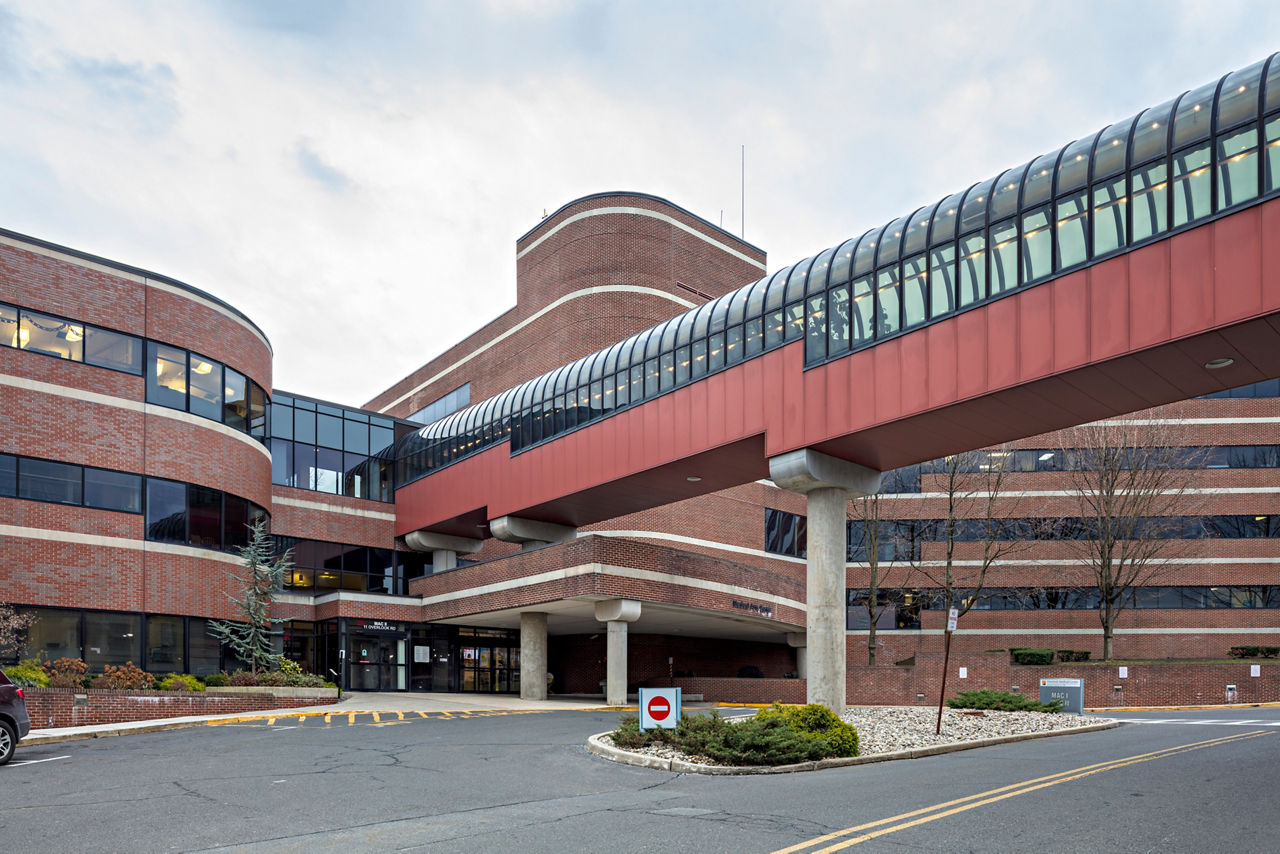
Medical Arts Center (MAC) I
overlook_mac_1_2-1

Treating many gastrointestinal disorders

Atlantic Medical Group Gastroenterology is dedicated to treating many gastrointestinal disorders, ranging from inflammatory bowel disease (IBD) and Crohn’s disease, ulcerative colitis, liver diseases, acid reflux, Barrett’s esophagus, celiac disease, irritable bowel syndrome (IBS), fatty liver disease, viral hepatitis, pancreas and biliary diseases, to gastrointestinal cancers, among other disorders and gastrointestinal illness.

Gastroenterology conditions

Physicians at Atlantic Medical Group Gastroenterology specialize in treating the following gastrointestinal abnormalities. Since the gastrointestinal tract is so complicated, we understand that the appointment takes time. Find out more about:

Inflammatory bowel disease (IBD)

Inflammatory bowel diseases (IBD) are chronic autoimmune conditions, affecting primarily the gastrointestinal tract; however, other distant organs can be involved. There are two types of IBD: Crohn’s Disease and ulcerative colitis. Crohn’s disease can affect any part of the gastrointestinal tract, while ulcerative colitis is limited to the large bowel (colon).

Some patients have large bowel inflammation where we cannot reliably tell apart Crohn’s disease and ulcerative colitis and we use the term IBD- unclassified colitis. In terms of IBD, colitis can exist as either Crohn’s colitis or ulcerative colitis. This may be confusing since any form of large bowel (colon) inflammation is referred to as colitis.

Infectious agents, lack of blood supply, diverticular inflammation, food allergies, and medications can also cause colon inflammation, which we call colitis. It is important to realize that sometimes two or more of these causes of colon inflammation may exist along with the IBD.

IBD impacts the lives of nearly two million patients in the United States. Our interdisciplinary Inflammatory Bowel Disease Program is the premier adult center for those suffering with Crohn’s disease and ulcerative colitis.

In addition to IBD, we treat other immune-mediated gut disorders such as:

Inflammatory Bowel Disease is diagnosed using a combination of laboratory (blood and stool markers) endoscopy, radiology and pathology tests. Other infectious, nutritional, immune, neurologic, psychiatric issues can be present and need to be evaluated to fully understand the presentation of IBD.

Endoscopic assessment includes:

All patients with IBD have a risk of large bowel (colon) cancer related to inflammation, disease duration as well as family history, nutrition and associated liver disease (primary sclerosing cholangitis, PSC). Early cancerous lesions are often invisible with the use of a regular endoscopy instrument.

Our center uses advanced techniques that involve spraying a dye on the surface of the bowel (chromoendoscopy) or using a laser device that functions as microscope for live views of your cells in the bowel (confocal laser endomicroscopy, pCLE).

Imaging methods often times require special protocols. Instead of plain CT scan or MRI we use a variation called CT enterography or MR enterography. The assessment of anal complications requires MRI with a fistula protocol and for those with associated liver disease (primary sclerosing cholangitis, PSC) there is a special MRI called MRCP.

Many patients with IBD have metabolic problems which include fatty liver. We offer a non-invasive test (Fibroscan) that measures the amount of fatty tissue and scar in the liver.

Although there is no cure for IBD, many treatments can reduce and control the symptoms of the disease, which can include:

  • Persistent diarrhea
  • Abdominal pain
  • Anal discomfort
  • Bloody stools
  • Weight loss
  • Fatigue

Symptoms other than gastrointestinal (extraintestinal) include:

  • Inflammation of the eyes, mouth ulcers
  • Joint pain
  • Back pain
  • Skin lesions

Gastrointestinal symptoms often do not correlate with the severity of disease, and not uncommonly, the extraintestinal symptoms are important clues that lead to IBD diagnosis before any gastrointestinal symptoms appear.

Medical therapy is increasingly complex; however, we allow ample time to our patients to understand risks and benefits and help them to make informed decisions. We employ cutting-edge biologic therapies and small molecules to promote long-lasting remission and improve quality of life.

Our collaborative approach allows a seamless transition from surgery to medical management. The IBD team utilizes immune markers to customize these therapies instead of randomly offering therapy choices.

Learn more about digestive diseases at Atlantic Health >

We have created an interdisciplinary approach which provides a full spectrum of care to meet all our patients’ needs. Led by dedicated physicians who focus on IBD, our team includes gastroenterologists, colorectal surgeons, rheumatologists, dermatologists, gynecologists, radiologists, and pathologists. In addition, we offer behavioral health care, nutritional support, and specialized infusion centers.

Our collaborative approach allows a seamless transition from diagnosis to surgery and medical management, offering education, support, and compassion in our efforts to constantly improve our patients’ health.

Treatment for IBD is increasingly complex; however, we allow ample time to our patients to understand risks and benefits and help them to make informed decisions. We employ cutting-edge biologic therapies and small molecules to promote long-lasting remission and improve quality of life.

Acute and chronic liver diseases

At Atlantic Medical Group Gastroenterology, we treat several conditions related to liver and kidney disease. The use of a FibroScan can help diagnose many medical conditions. A FibroScan is a painless, easy and non-invasive examination to understand the health of your liver.

During the exam, you may only feel a light vibration on your skin from the tip of the probe. This exam is done right in our office, you will lie on your back with your arm over your head. A water-based gel is applied to your skin and the probe is used to take several pictures of your liver. This examination takes about 15-20 minutes.

Find out more about our partnership with NYU Langone’s Transplant Institute. Together, we are giving patients greater access to heart and liver transplants and the coordinated, high-quality care needed to stay healthy.

Gastrointestinal motility disorders

Gastrointestinal motility disorders can be caused by impaired movement of muscles in the digestive system, impaired or oversensitive nerve signaling between the gut and the brain (also known as “disorders of gut-brain interaction”), intolerance to certain foods, bacterial overgrowth, altered anatomy and more.

The medical team at Atlantic Medical Group Gastroenterology provides a comprehensive diagnostic and treatment approach for numerous gastrointestinal motility disorders, including:

We utilize the following cutting-edge technology to diagnose gastrointestinal motility disorders and develop your specific treatment plan:

At Atlantic Digestive Health Institute, we have numerous treatment options for gastrointestinal motility disorders, including:

  • Dietary counseling
  • Evidence-based pharmacologic therapy
  • Non-pharmacologic therapy, such as cognitive behavioral therapy and psychodynamic-interpersonal therapy
  • Endoscopic therapy, including EGD, enteroscopy, colonoscopy, esophageal dilation, pneumatic dilation, EGD with botox injection, feeding tubes
  • Pelvic floor physical therapy for individuals with pelvic floor dysfunction
  • We frequently collaborate with our surgical colleagues for patients who may require anti-reflux surgery, hiatal hernia repair, heller myotomy (for achalasia), pelvic floor stimulator (for fecal incontinence), rectocele or rectal prolapse repair. 

Offering workers' compensation services

We undergo thorough training to effectively coordinate workers’ compensation services. We understand the distinctive needs of injured workers.

woman with a cast on the computer

MyChart Patient Portal

MyChart puts your health care in your hands where you can safely message your provider, schedule appointments, refill prescriptions, access medical records and more.

Woman looking at her smartphone